PROJECT
Hareer
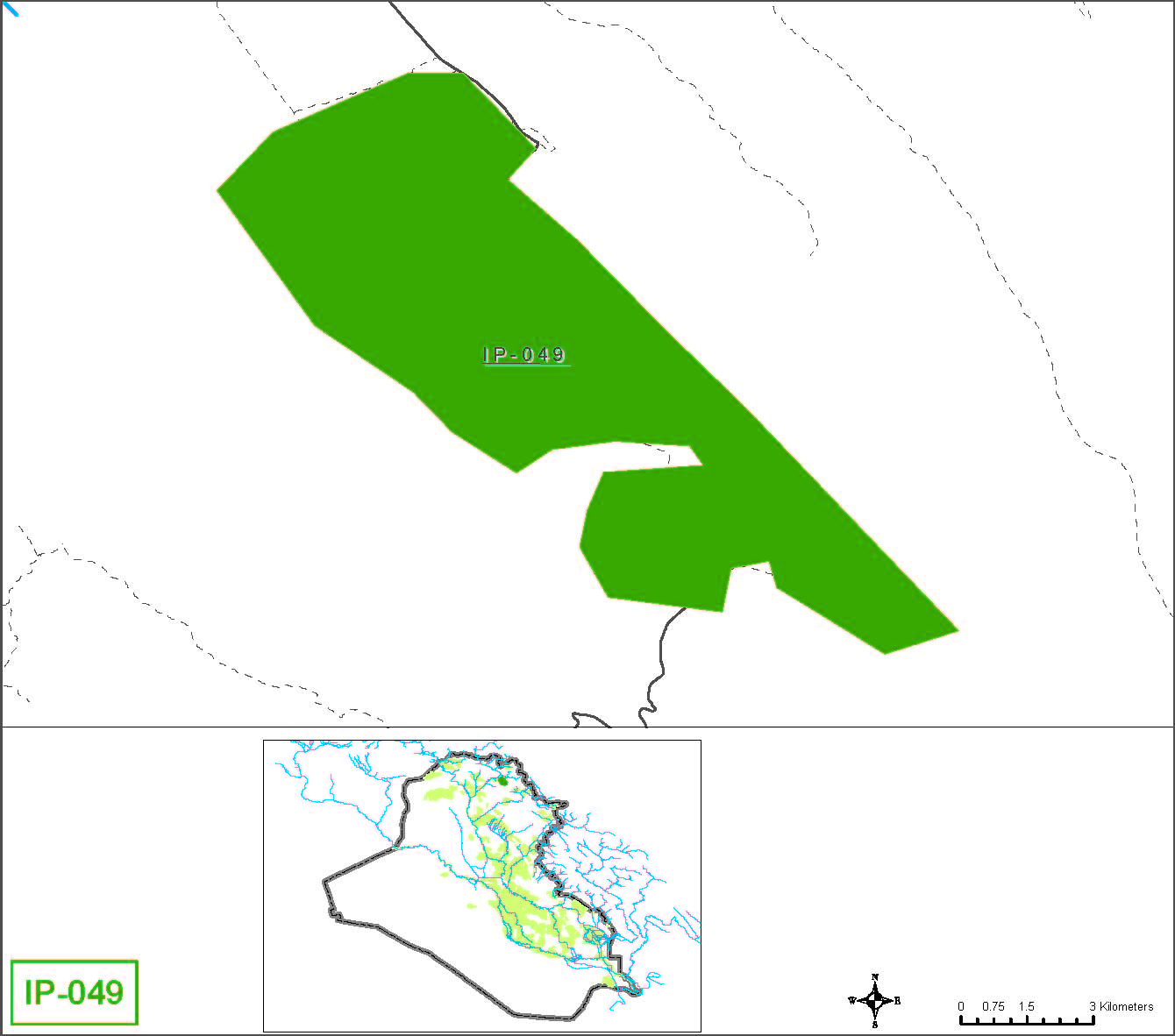
PROJECT CODE IP-049
Long44.36º Lat36.51º
Start:
Duration:
Rehabilitation start year:
Rehabilitation end year:
Reclamation start year:
Reclamation end year:
Is OpportunityIs EmergencyIs ApportenantIs CandidateIs ObsoleteChecked
Project Cost (USD): $109,331,524
Partial Project Cost (USD)
REH off border irrigation (USD):
RECL off border irrigation (USD): $4,000,925
REH off border drainage (USD):
RECL off border drainage (USD): $551,299
REH off farm irrigation (USD):
RECL off farm irrigation (USD): $41,083,045
REH off farm drainage (USD):
RECL off farm drainage (USD): $26,057,779
REH off farm other (USD):
RECL off farm other (USD): $14,726,286
REH on farm irrigation (USD):
RECL on farm irrigation (USD): $13,860,000
REH on farm drainage (USD):
RECL on farm drainage (USD): $3,355,271
REH on farm other (USD):
RECL on farm other (USD): $5,696,919
Project Cost (USD): $109,331,524
Governorate: Erbil
River: Greater Zab
Location: West of Harir town
Category: Irrigation and Drainage Projects
Sub category: Major Reclamation
Sector: Current and future agriculture developments and productivity;
Type: Land reclamation, implementation/expansion of irrigation projects
Opportunity type: Construction
Source: Water Resources Development Strategies 2010-2014. Page 21
Source of fund: GoI
Original source: MoWR
Implementing agency: MoWR
Status: Proposed/Planned
Description
The ‘Hareer’ irrigation project (IP) is located in Erbil Governorate, in the Tigris River Basin.According to the Ministry of Water Resources, SWLRI Division, and after the meetings during December 2013 to February 2014, the project is ‘Planned’ to be developed over a total command or gross area of about 25 thousand Du (6.25 th. Ha), corresponding to a net area of 21.9 th. Du. The suggested source of irrigation water is the Rawaduz River.About 0 th. Du are currently cultivated (2% of the total area to be implemented).
Needs
Irrigation and drainage infrastructure has to be build. Leaching is needed to get rid of the accumulation of salts on the soil, caused by poor drainage and inefficient on-farm irrigation methods. The water table is shallow and subsurface drains are needed. Efficient on-farm irrigation methods, suitable crop rotation system, good quality seeds and fertilizers, and technical assistance are crucial to achieve high quality and quantity production.
Objective
The objective is to achieve food self sufficiency and security and reduce poverty by reclaiming an additional area of 25 th.Du.
Screening
Performed under SWLRI phase 2
Beneficiaries
Execute reclamation projects will improve social conditions of lands users by improving soil quality and increase productivity.